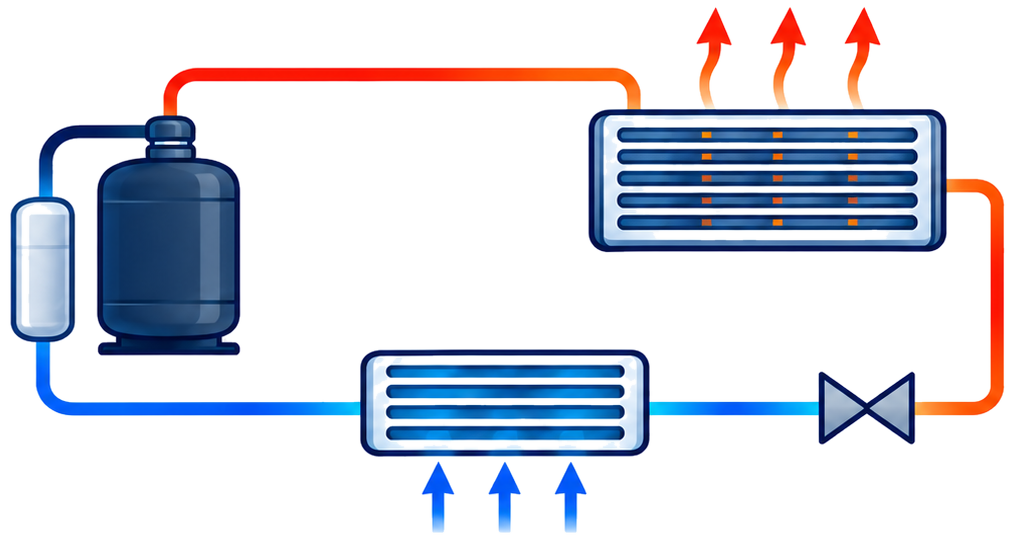

Led by Dr. Jaedeok Ko at Korea Maritime & Ocean University, the RHPS Lab advances refrigeration, heat pump systems, heat exchangers, and sustainable thermal engineering for next-generation applications.
The Refrigeration and Heat Pump Systems (RHPS) Laboratory at Korea Maritime & Ocean University is led by Assistant Professor Jaedeok Ko. Our research focuses on the fundamentals and applications of vapor compression refrigeration and heat pump systems, with particular emphasis on natural refrigerants, energy efficiency, and sustainable thermal engineering.
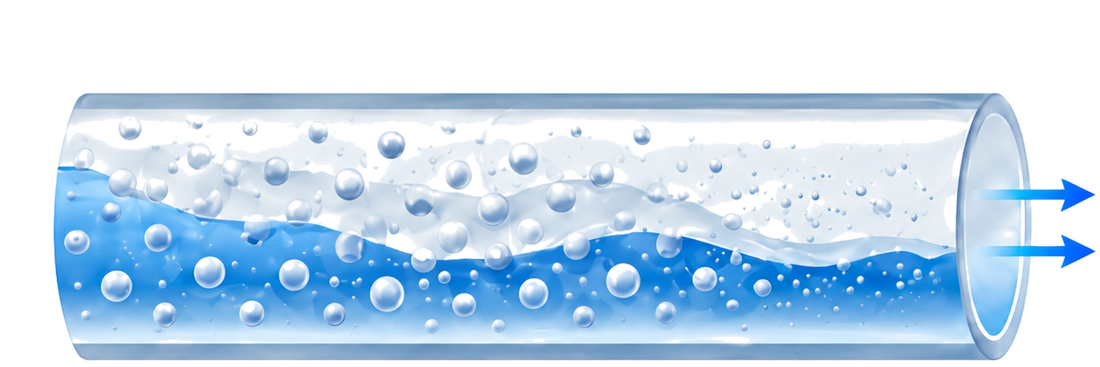
We investigate household refrigerator-freezers, electric vehicle air-conditioning, CO₂ transcritical systems, two-phase flow phenomena, and advanced heat exchanger design — combining experimental investigation with computational modeling to deliver practical, high-impact solutions.
We collaborate closely with industry partners such as LG Electronics and national research programs funded by the National Research Foundation of Korea, bridging fundamental science and real-world thermal engineering challenges.
Scopus metrics (Author ID: 57200070314), as of Oct 2026.
Household refrigerator-freezer performance, capillary tube behavior, non-equilibrium two-phase flow, and fault diagnostics using natural refrigerants.
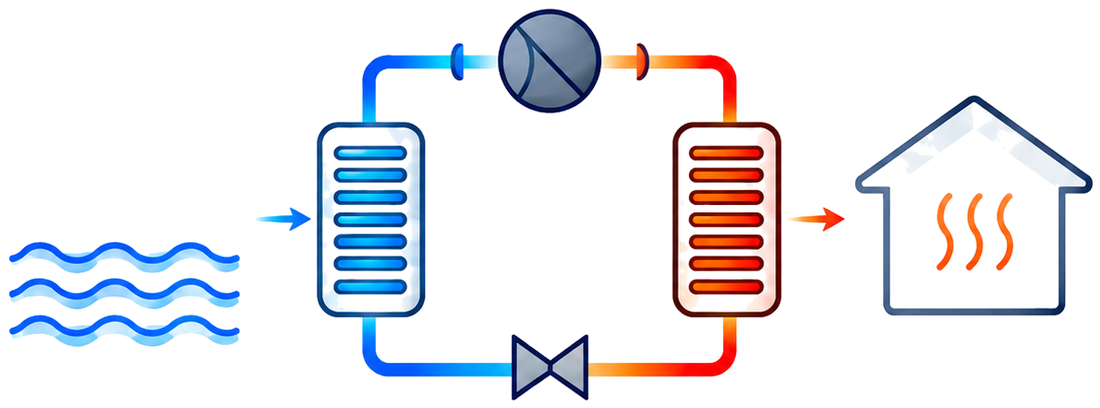
Environment-friendly air-to-water and water-source heat pump systems operating with natural refrigerants for domestic hot water and space heating applications.
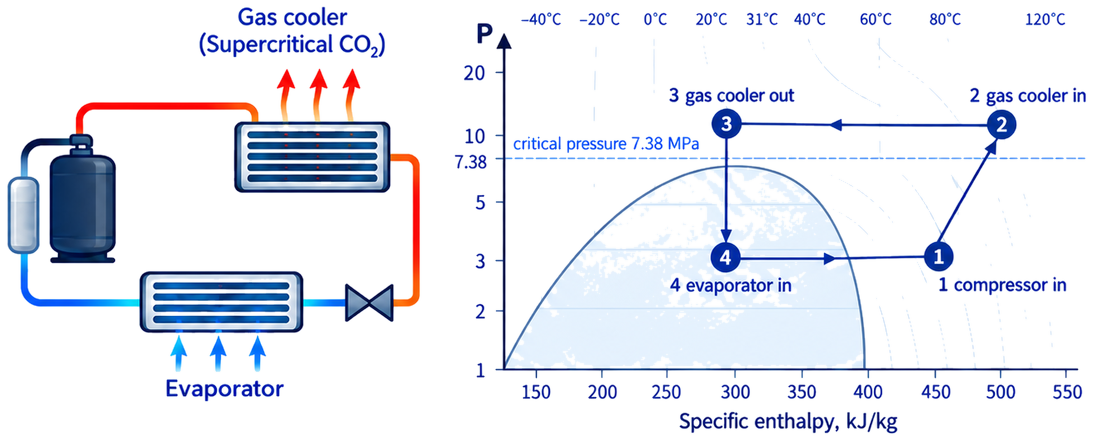
Vapor compression air conditioning and heat pump systems for electric vehicles, including CO₂ transcritical cycles and start-up transient behavior.
Energy-saving strategies through heat rejection pressure management and cascaded cycle configurations using CO₂ as a natural refrigerant.
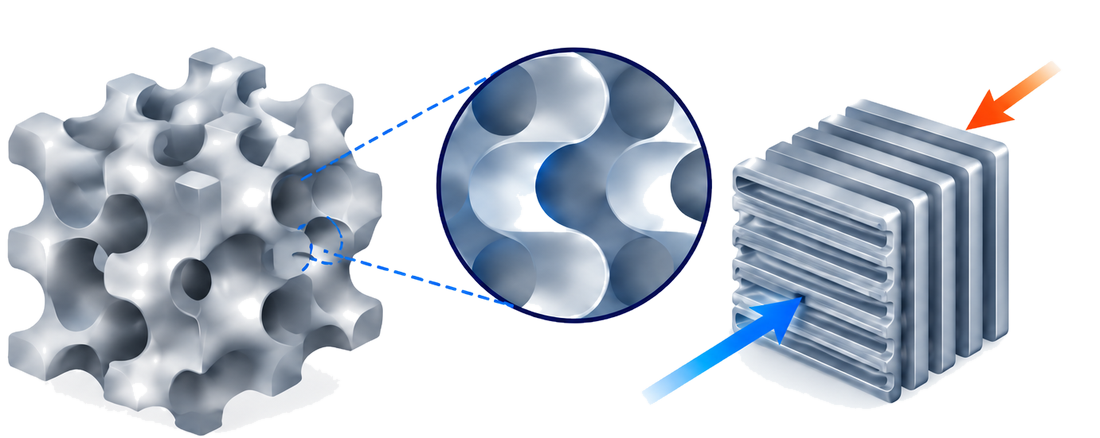
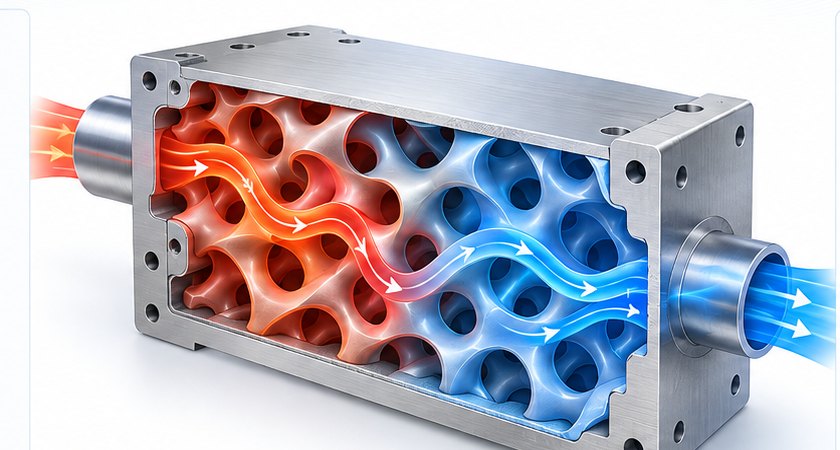
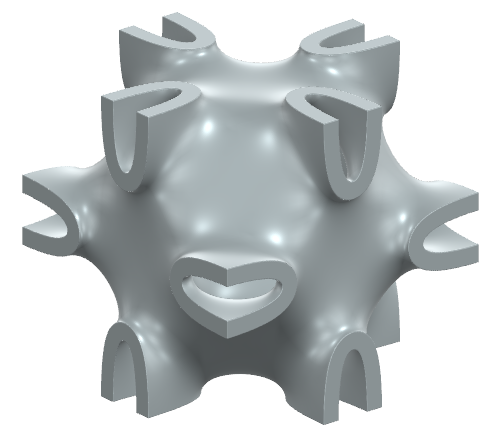
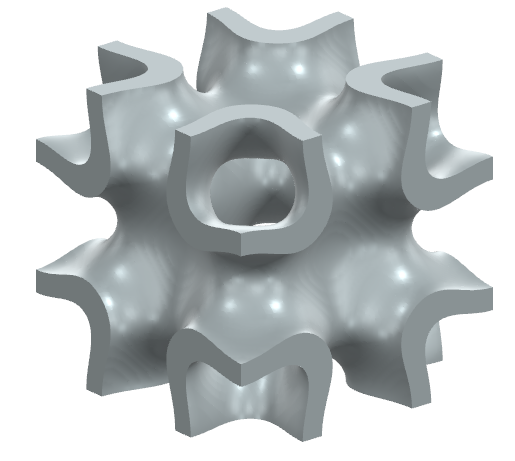
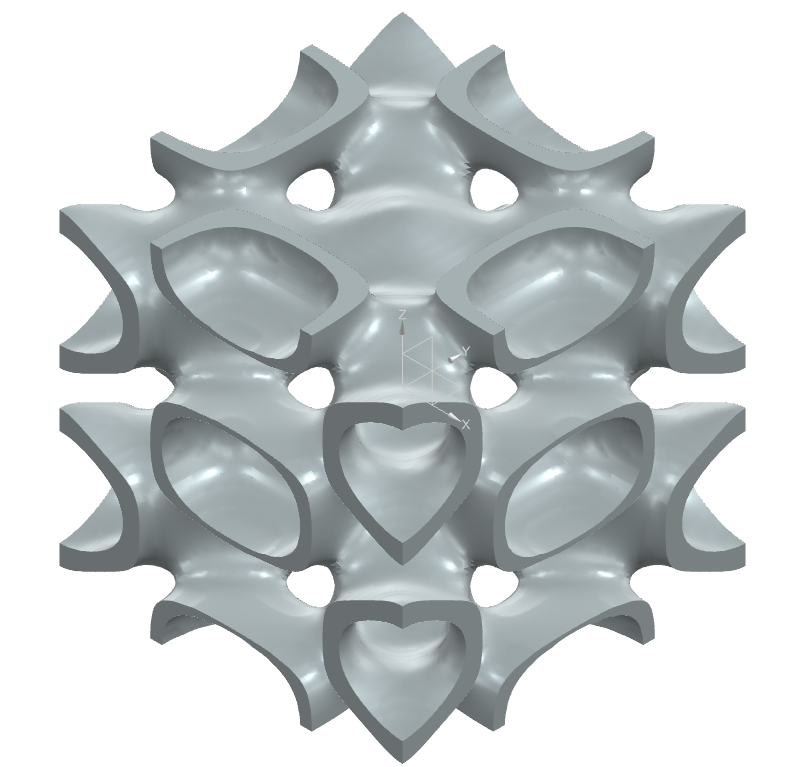
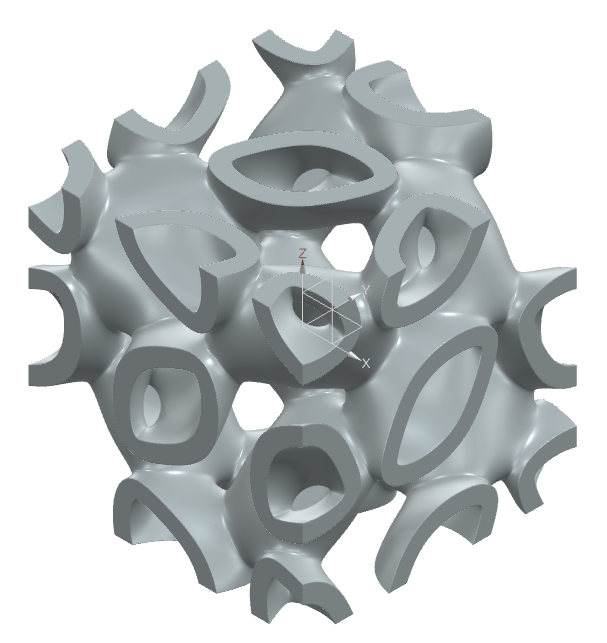
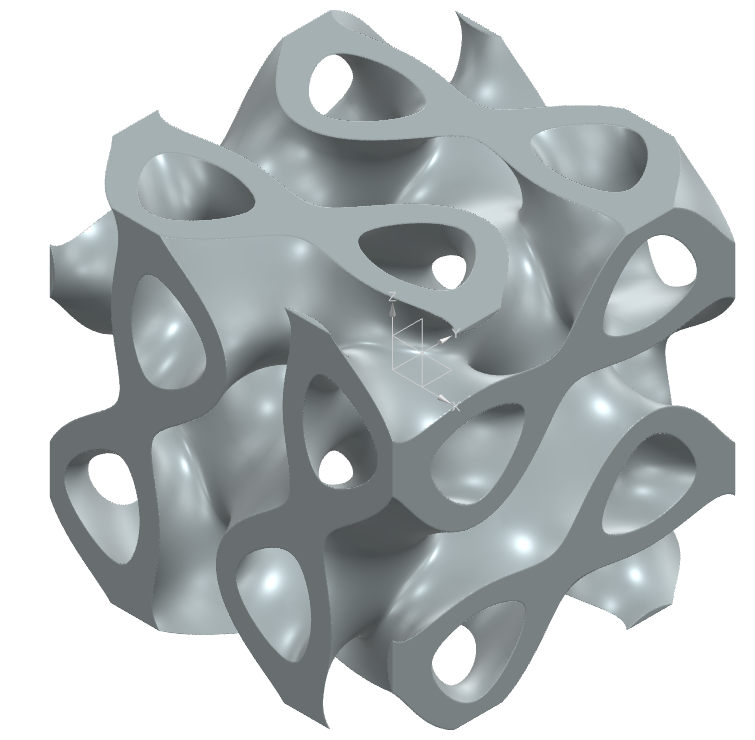
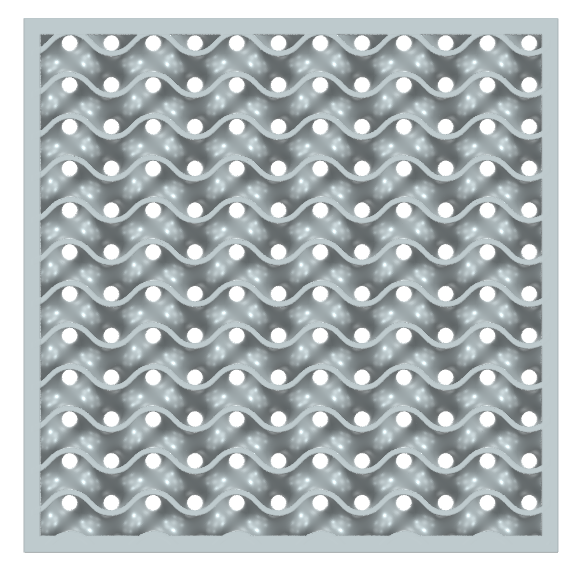
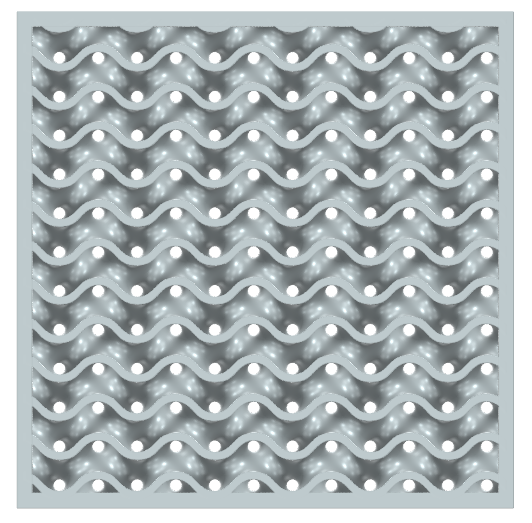
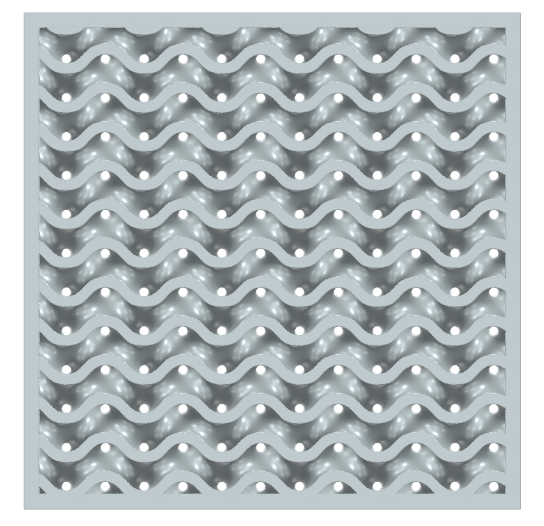
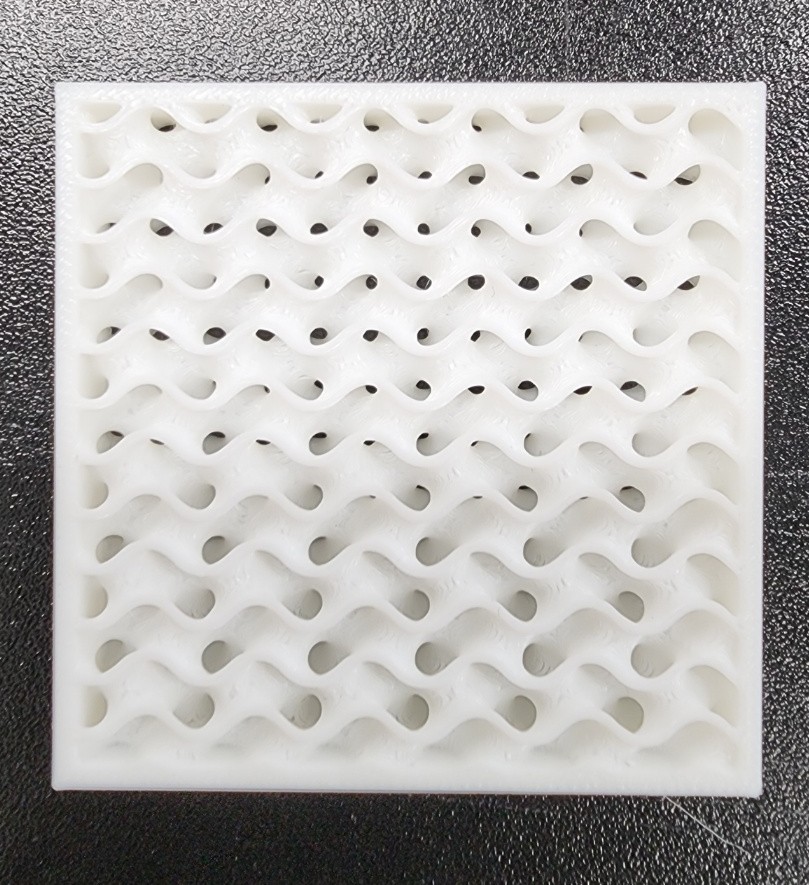
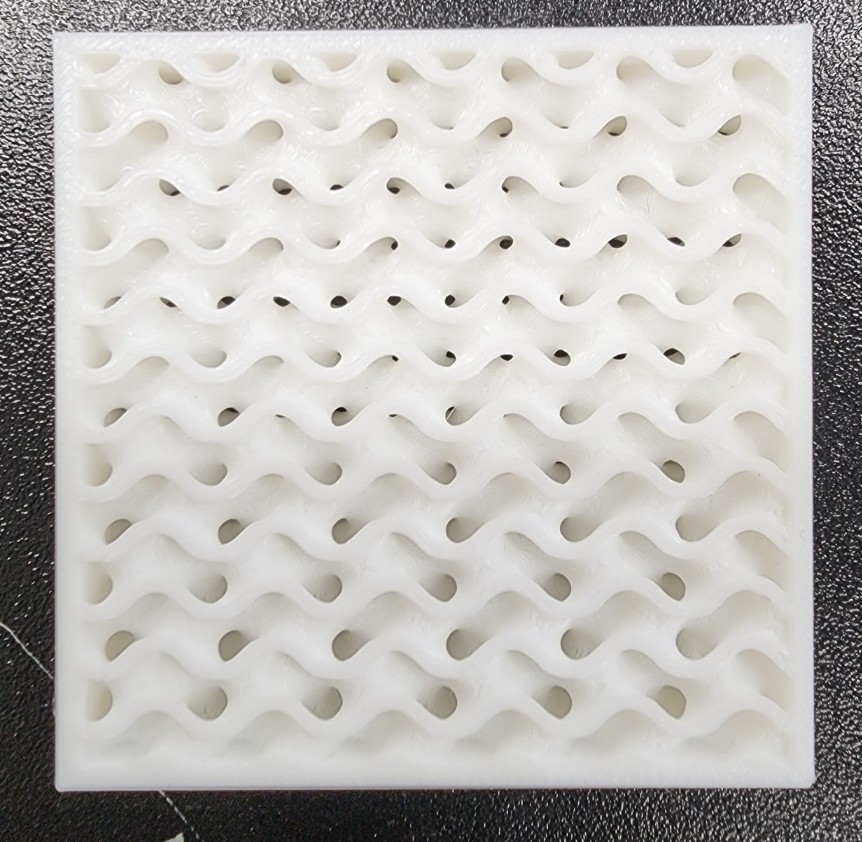
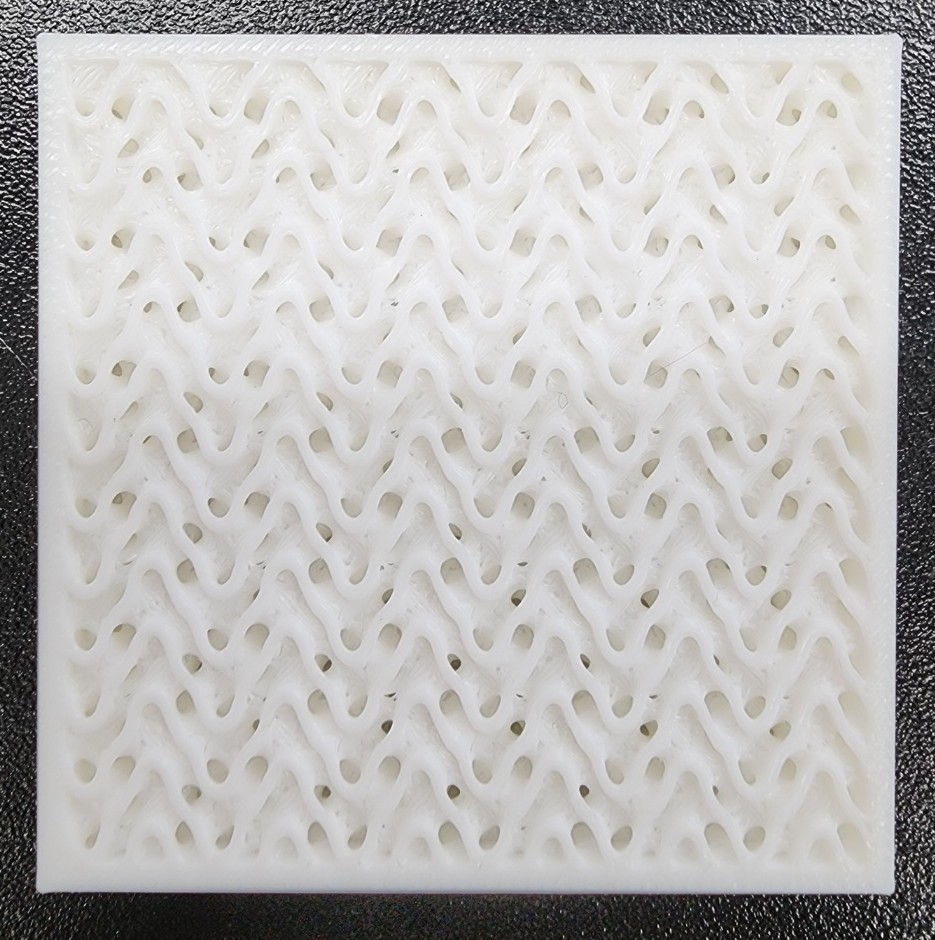
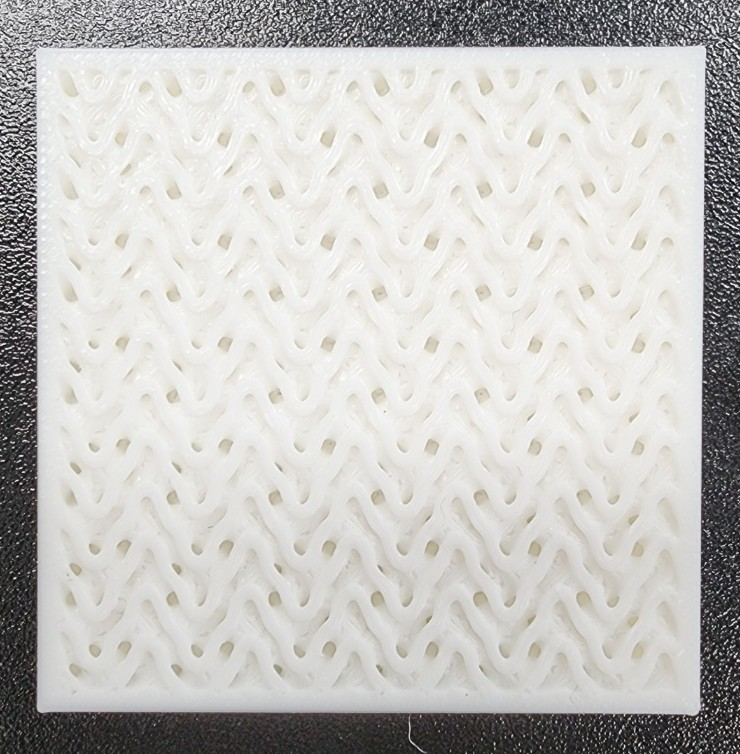
Advanced heat exchangers including TPMS-based structures, brazed plate heat exchangers, microchannel HXs, and capillary tube–suction line heat exchangers.
Refrigerant distribution, maldistribution in microchannel headers, foam flow friction, and moisture evaporation models to improve thermal system accuracy.
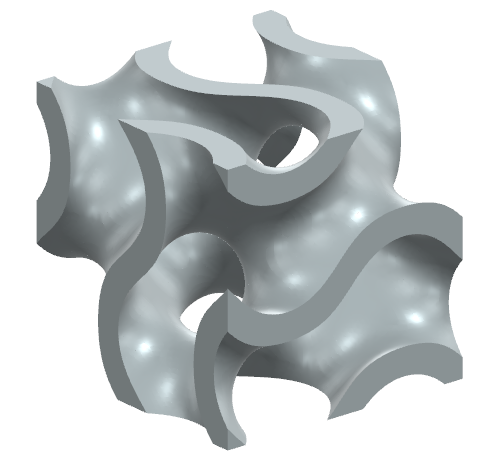
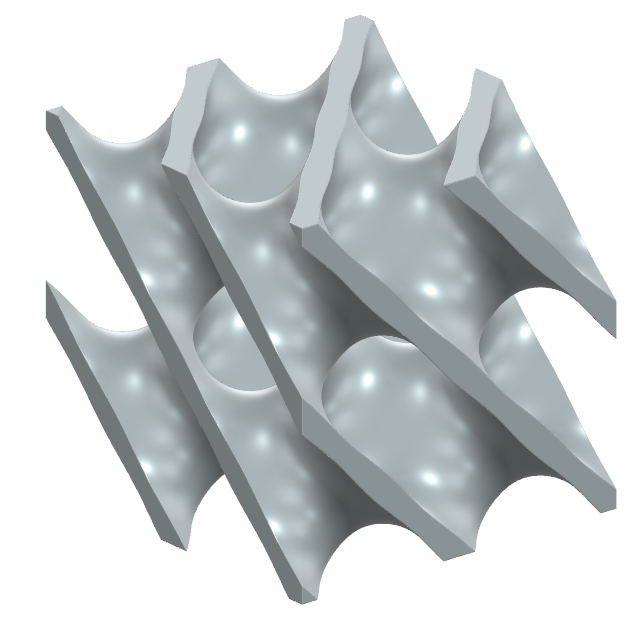
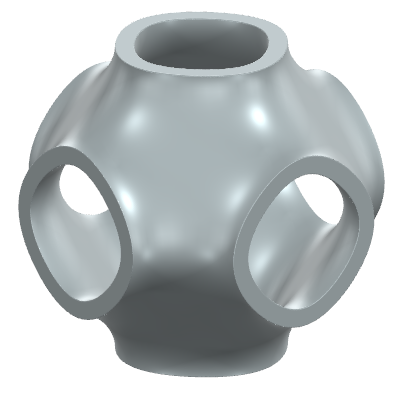
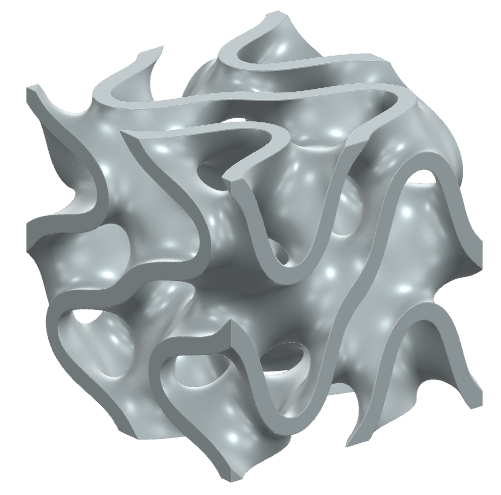
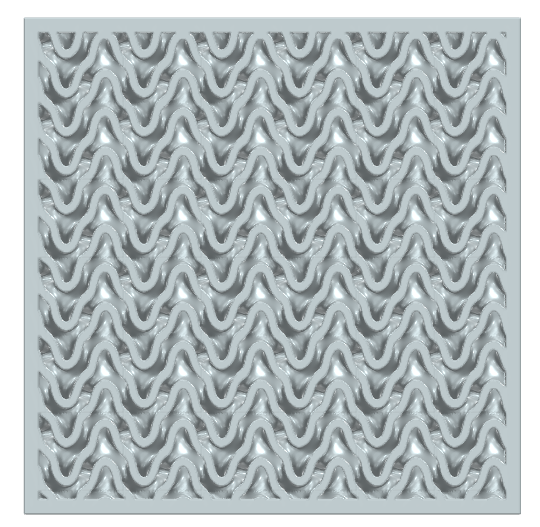
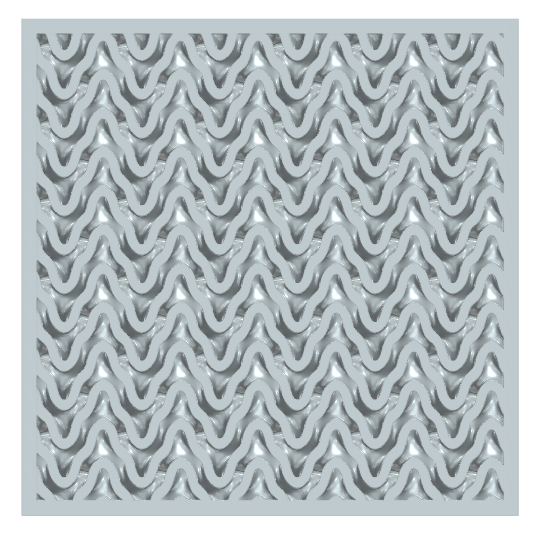
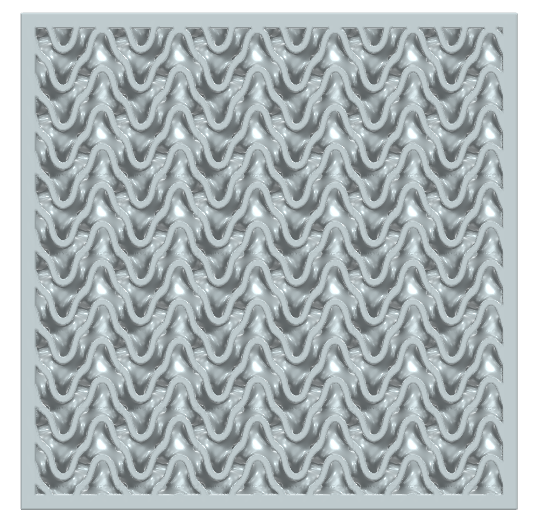
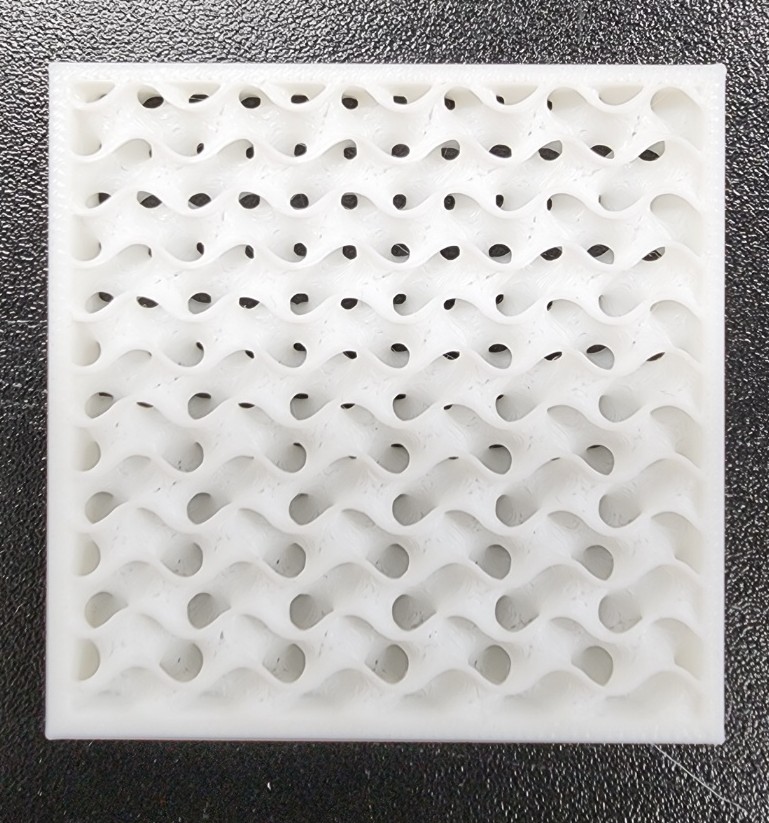
Triply Periodic Minimal Surface (TPMS) structures offer exceptional surface-area-to-volume ratios and interconnected flow pathways, making them promising candidates for next-generation heat exchangers in refrigeration and heat pump systems.


↑ 유닛셀을 클릭하면 방정식이 표시됩니다


Scopus metrics (Author ID: 57200070314), as of Oct 2026.
We welcome inquiries from prospective collaborators, graduate students, and postdoctoral candidates interested in refrigeration, heat pump systems, and thermal engineering. Please reach out via the form or directly through the contact details below.